Publishing News
Prep a Clean Manuscript File for Book Design
LaunchPad Books Editorial ·
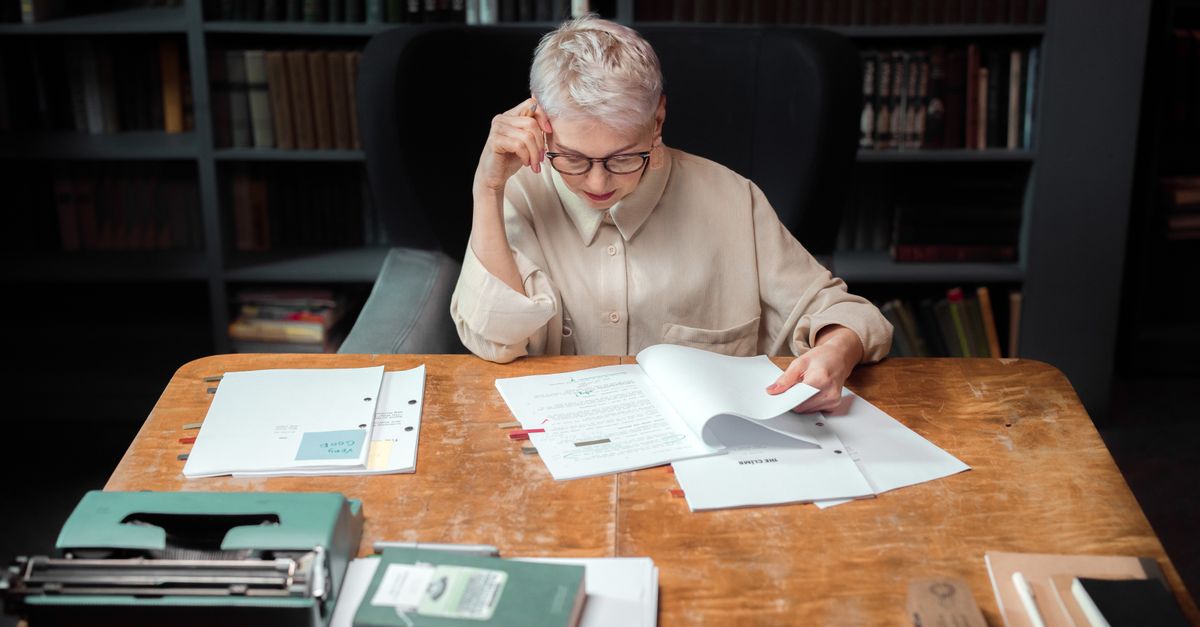
To format a manuscript for book design, hand your designer a clean Word file that marks structure rather than style — real heading styles for chapters, plain body text for prose, single spacing, and no decorative fonts, colors, or manual page breaks. Almost everything you do to pretty up the file gets stripped out in typesetting anyway, so the formatting that actually matters is the labeling that tells the software what each line is.
Here is the uncomfortable truth most first-time authors learn the expensive way: the satisfying, polished-looking manuscript you built in Word is not what helps your designer. In many cases it actively slows them down and raises your quote.
What a clean manuscript actually means
A clean manuscript is not a plain or lazy one. It is a file where every structural element is labeled consistently and nothing fights the designer's layout software. When you send a Word document to a designer, they import it into a program like Adobe InDesign, where the real interior is built. That import keeps your text and your structural labels. It throws away your visual choices.
So the question is not how to make your pages look like a finished book. It is how to make your file flow cleanly into the designer's framework. Get that right and the designer spends their hours on craft instead of cleanup.
Format tells the designer structure, not style
This is the distinction that changes everything. In book production, format means structure — this line is a chapter title, this is a subheading, this is body text, this is a block quote, this is a caption. It does not mean what those things should look like. The look is a separate design decision you and your designer make together, based on trim size, genre, and comparable titles.
When you bold a chapter title, bump it to 18-point, and center it, you think you are communicating chapter title. You are not. You are communicating three disconnected visual instructions that the software discards. Apply Word's Heading 1 style instead and the designer sees a labeled chapter opening they can style in one move across the entire book.
Use Word styles instead of manual formatting
Word's Styles feature is the single most useful tool for preparing a production-ready file, and most authors never touch it. Styles let you tag what a paragraph is so the designer can map it directly to their layout. Here is how the two approaches compare.
| What authors often do in Word | What the designer actually needs | Why it matters |
|---|---|---|
| Bold and enlarge chapter titles by hand | Heading 1 style applied to each chapter title | Designer restyles all chapters in one action |
| Center and italicize epigraphs manually | A consistent block-quote or epigraph style | Software auto-maps the element to the layout |
| Press Enter several times to start a new page | Nothing — let the style handle chapter breaks | Manual breaks scatter blank lines through the file |
| Add page numbers, headers, and footers | Leave them out entirely | These are built in the layout and never import |
| Two spaces after a period | One space, used consistently | Double spaces create uneven typeset spacing |
Set up four or five styles — body text, Heading 1 for chapters, Heading 2 for sections, a block-quote style, and a caption style — and apply them consistently from first page to last. Consistency is the most important feature of a clean file. Whatever convention you choose, use it the same way throughout.
The formatting most guides never warn you about
Here is what most formatting advice gets wrong: it tells you to add things, when the real skill is restraint. The embellishments that feel professional in Word are usually the ones that cost you. Decorative drop-cap fonts, gray sidebar boxes, dingbat scene breaks, colored headers in three sizes, spaces padding both sides of every em dash, hand-tuned line spacing to fix widows and orphans — all of it is stripped during import, and an over-decorated file can raise your typesetting quote purely for the hassle of cleaning it out.
Widows and orphans are a real typographic concern, but they are the designer's job to fix in the final layout, not yours to wrestle in Word — your manual fixes get discarded the moment the text reflows into new page dimensions. The same goes for em-dash spacing and centered pull quotes. You are solving problems that do not exist yet in a file where your solutions cannot survive.
The manuscript is not the place for design. Every hour you spend making your Word file look like a book is an hour of work the designer has to undo — and you may pay for both.
The most useful question you can ask before handing off your file is simple: what can I do to make your work easier and more accurate, so you can focus on design instead of cleanup? Designers will happily tell you their preferences, and following them protects you from the errors and extra rounds that creep in when a file arrives messy.
How to mark images, photos, and captions
If your book includes photos, charts, or illustrations, do not paste them into the Word file at final resolution. Instead, mark each placement with a bracketed callout right where the image belongs, including the file name, caption, and — for an EPUB — alt text:
- In the text: [photo 35.jpg: My sister (left) and I hiked the Grand Canyon in 2016.]
- In a separate folder: the actual high-resolution file, named photo 35.jpg to match the callout exactly.
Print-quality images are large, so send them through Dropbox, Google Drive, or another transfer service rather than burying them in the document. Matching names and numbers between your callouts and your files prevents the single most common image error in book production — the right caption landing under the wrong picture. This same discipline pays off again later if you move into ebook publishing or commission an audiobook edition, where structure and asset naming carry through to every format.
Settle these decisions before design begins
Good interior design starts before a single page is typeset. The designer usually needs three things nailed down first: the finished trim size (6 x 9, 5.5 x 8.5, or something else), the cover type (softcover, hardcover, or jacketed), and which versions you are producing — paperback, hardcover, ebook, audiobook. These choices are bound together. Specify too large a trim for a short book and the spine may be too narrow to print text; a shorter book can be bulked up with wider margins, a trick experienced designers reach for routinely.
Because these decisions shape every other design option, talk them through early. If you are still weighing your path, our overview of self-publishing walks through how trim, format, and budget fit together, and our print-on-demand and book printing options affect which sizes and bindings are practical for your run length.
A pre-handoff checklist
Before you send your manuscript to design, run through this:
- Accept all tracked changes and delete every comment. Resolving editorial questions is not the designer's job.
- Apply real Word styles consistently for chapters, headings, body text, quotes, and captions.
- Remove manual page breaks, extra blank lines, page numbers, headers, and footers.
- Use single spaces after periods and on em dashes, applied the same way throughout.
- Strip custom fonts, colors, drop caps, and sidebar boxes. Note any design wishes in a separate brief instead.
- Mark image placements with bracketed callouts and deliver high-resolution files separately with matching names.
Finishing your edit with a clean, structured file is one of the few moves that simultaneously saves you money, speeds up production, and improves the finished result. If your manuscript still has tracked changes or unresolved notes, handle the editing first — professional editing closes those questions before design ever starts, and a strong cover design can move forward in parallel once your trim and format are set.
Hand off a file your designer will thank you for
You wrote the book — now let the production team do the part they are best at. A clean, well-structured manuscript is the difference between a smooth, predictable design process and a frustrating one full of avoidable errors and surprise costs. At LaunchPad Books, we help authors prepare, design, print, and promote their books while keeping every right and every royalty, so the work you put into a clean file pays off all the way through. If you want a production team to take your finished manuscript from clean Word file to polished, ready-to-sell book, get started with a free consultation and we will map out the trim, format, and timeline that fit your book.
Source: Jane Friedman
Ready to publish your book?
Talk to a real publishing advisor — free, no pressure.
Frequently asked questions
How should I format my manuscript before sending it to a book designer?
Send a single clean Word document that uses real Word styles to mark structure — Heading 1 for chapter titles, body text for prose, and labeled styles for block quotes or captions. Remove tracked changes and comments, use one space after periods, and avoid manual page breaks, custom fonts, colored text, and decorative spacing. The designer applies the actual look later in software like InDesign.
Why does my manuscript formatting get stripped out during typesetting?
Book designers import your text into professional layout software, which discards Word's visual formatting and rebuilds the look from scratch. Fonts, colors, drop caps, and spacing you added in Word do not carry over. What does carry over is the structural labeling — which lines are chapters, headings, or quotes — so styling your file wastes effort and can even add cleanup cost.
Should I add page numbers and design elements in Word?
No. Page numbers, headers, footers, drop caps, dingbats, and sidebars are design decisions the book designer builds into the page layout. Adding them in Word does not transfer and often creates cleanup work. Mark structure with styles and leave the visual treatment to the designer who is building your interior.
How do I tell the designer where images go?
Place a bracketed callout in the text where the image belongs, such as [photo 12.jpg: caption text here], and deliver the actual high-resolution files separately in a folder with names that match the callouts. Send large print images through Dropbox or Google Drive rather than embedding them in the Word document.