Self-Publishing
How to Publish a Book for Free: 2026 Step-by-Step Guide
LaunchPad Books Editorial ·
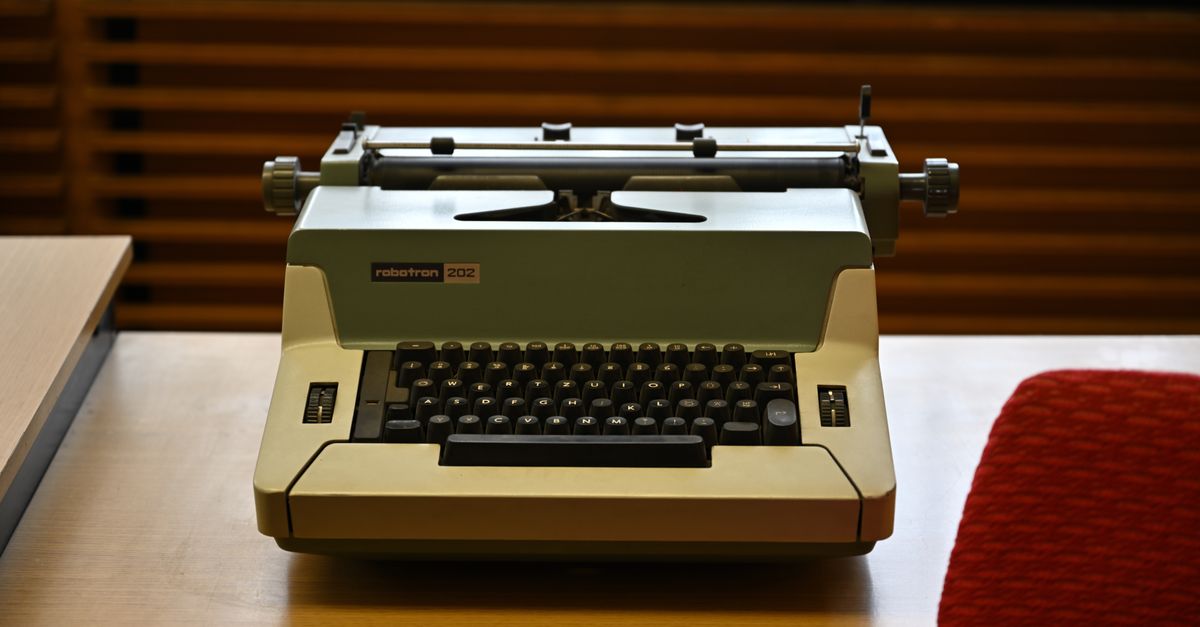
Yes, you can publish a book for free in 2026 — and not in some watered-down way. The major platforms charge nothing to put your ebook or paperback in front of millions of readers. You only pay them a cut when a copy actually sells. The catch is not the publishing itself; it is everything around it — editing, cover design and marketing — where free can quietly cost you sales. This guide walks the exact free path, then shows you precisely where spending a little changes the outcome.
What free publishing really means in 2026
Free self-publishing means no upfront fee to publish and distribute. You upload a finished manuscript and a cover, set your price, and the platform handles delivery, printing and payment. In exchange, it keeps a percentage of each sale (for ebooks) or charges a per-copy print cost (for paperbacks) that you build into your price.
This is the opposite of the old vanity-press model, where a company charged thousands upfront and often took your rights. Modern platforms like Amazon KDP and Draft2Digital flip that: you keep your copyright, publish for nothing, and earn royalties from day one. The honest trade-off is effort — free means you do the writing, formatting, cover and promotion, or you find people who will help. If you want a guided route that still keeps every right and royalty in your hands, self-publishing support from LaunchPad Books exists for exactly that middle ground.
The platforms are free. Reader attention is not. The money you do not spend on publishing is the time and care you must spend on quality and marketing instead.
The free book-publishing workflow, step by step
Here is the full path from finished draft to live listing, using only no-cost tools. Follow it in order — skipping steps is the most common reason first books underperform.
- Finish and self-edit the manuscript. Write to the end, then revise. Read it aloud, run a free grammar checker, and ideally get two or three honest beta readers. This is where free publishing wins or loses; software catches typos but not pacing, plot holes or flat dialogue.
- Format the interior. Use a free tool such as Reedsy Studio, Kindle Create or the Atticus free trial to produce clean ebook (EPUB) and print (PDF) files. Consistent chapter headings, proper margins and embedded fonts make a book look professional at no cost.
- Create a cover. Canva has free templates sized for KDP and other stores. A clean, genre-appropriate cover with a readable title beats a busy DIY effort every time. If design is not your strength, this is the first thing worth upgrading later with professional cover design.
- Get an ISBN. Amazon KDP assigns a free ISBN for both ebook and paperback. If you want your own imprint and cross-platform identity, you can buy one separately or learn the options for getting an ISBN for your book.
- Choose your platform(s) and create an account — all free (see the comparison below).
- Upload, set pricing and metadata. Write a compelling description, pick the right categories and keywords, set your price, and preview the file carefully before hitting publish.
- Publish and promote. Listing the book is the start, not the finish. A free launch plan — your email list, social posts, a few review copies — does more than a budget you do not have.
Best free publishing platforms compared
Every platform below lets you publish at zero upfront cost. They differ in reach, royalty rates and what they print. Most authors start with Amazon KDP because it is where the readers are, then widen distribution later.
| Platform | Upfront cost | Formats | Typical ebook royalty | Best for |
|---|---|---|---|---|
| Amazon KDP | Free | Ebook + paperback + hardcover | 35% or 70% | Maximum reach and easy print-on-demand |
| Draft2Digital | Free | Ebook + print | About 60% of list (net) | One upload to Apple, Kobo, B&N and more |
| Kobo Writing Life | Free | Ebook + audiobook | Up to 70% | Strong international and library reach |
| Apple Books | Free | Ebook | 70% | Apple device readers |
| IngramSpark | Free to low | Print + ebook | Varies | Bookstore and library distribution |
The 70% versus 35% gap on Amazon KDP matters: the higher rate applies when you price your ebook between roughly two and ten dollars and meet a few conditions. Price outside that band and you drop to 35%, so pricing is a real decision, not an afterthought.
Print-on-demand: paperbacks with no inventory
You do not need a garage full of books. Print-on-demand means a copy is printed only when someone orders it, and the print cost comes out of the sale — you never pay upfront. Amazon KDP and IngramSpark both offer this. It is the single biggest reason a paperback is now genuinely free to publish. When you are ready to sell at events or direct to readers, exploring print-on-demand options and book printing gives you copies in hand without the old bulk-order risk.
Where free quietly costs you — and what most guides skip
Here is the insight thin guides leave out: the platform being free does not make your book competitive. Readers in 2026 scroll past hundreds of titles. Three things separate books that sell from books that vanish, and two of them are where free has real limits.
- Editing. No tool replaces a human editor for structure, clarity and credibility. A single glaring error in your sample can lose a sale. If budget is tight, prioritise a developmental or copy edit over almost anything else — see what editing support covers before deciding.
- Cover design. Your cover is your number-one marketing asset and the first thing a browser sees. A free Canva cover can work; a generic one signals amateur. This is often the highest-return upgrade.
- Marketing. You can promote for free — email, social, communities, a few review copies — but discoverability is the hardest part of self-publishing. Free effort here beats no effort, and book marketing help exists when you want to scale beyond what one person can do.
The smart play is to publish free first to learn the entire process end to end, then reinvest your early royalties into the one weak link — usually the cover or the edit. That way nothing comes out of pocket before the book earns it.
A realistic free-to-paid roadmap
Treat your first book as both a product and a class. Publish it for nothing using the steps above. Watch what readers respond to. Then upgrade deliberately: a stronger cover, a professional edit on book two, maybe an audiobook once you have an audience. Many successful indie authors spent close to zero on their first title and scaled only as sales justified it.
If you would rather not assemble a dozen free tools and learn each one alone, you do not have to. LaunchPad Books helps authors publish, print and promote their books while keeping every right and every royalty — the guidance of a publisher without surrendering ownership or upfront cash. Start by mapping your own free path with our get-started guide, or compare what done-with-you support looks like on the pricing page. Either way, the most important step is the one you can take today for free: finish the book, format it cleanly, and hit publish. Your readers cannot find a book that never ships.
Ready to publish your book?
Get a free consultation and publish with a team that lets you keep every right and royalty.
Frequently asked questions
Can you really publish a book for free?
Yes. Platforms like Amazon KDP, Draft2Digital and IngramSpark (for ebooks) charge nothing upfront to publish. You upload your formatted file and cover, set a price, and they take a cut only when a copy sells. Your real costs are optional — editing, cover design or paid ads — and you can skip them at first if you do the work yourself.
Does free self-publishing mean I lose my rights?
No, not with reputable platforms. Amazon KDP, Draft2Digital and IngramSpark are non-exclusive (KDP Select is the exception) and you keep full copyright and rights. Avoid old-style vanity presses that ask for upfront fees and claim your rights. Always read the terms — you should keep your copyright and be free to publish elsewhere.
What is the cheapest way to publish a paperback?
Amazon KDP print-on-demand is the cheapest route: zero upfront cost, free ISBN, and Amazon prints each copy only when ordered. You set the price above the print cost and keep the margin. IngramSpark reaches bookstores and libraries but historically charged small setup fees, though these are often waived through promotions.
Is it worth paying for editing and a cover?
For a book you want to sell seriously, yes. Readers judge quality fast, and a weak cover or unedited text kills sales and reviews. You can publish for free to learn the process, but professional editing and cover design are the two investments that most reliably improve results once you are ready to grow.